LISTEN
Every pain is a message.
EVERY PAIN IS A MESSAGE FROM THE NERVOUS SYSTEM. BY LISTENING TO IT,
WE DISCOVER THE PATH TOWARDS REGULATION,
MOBILITY, AND INNER PEACE.
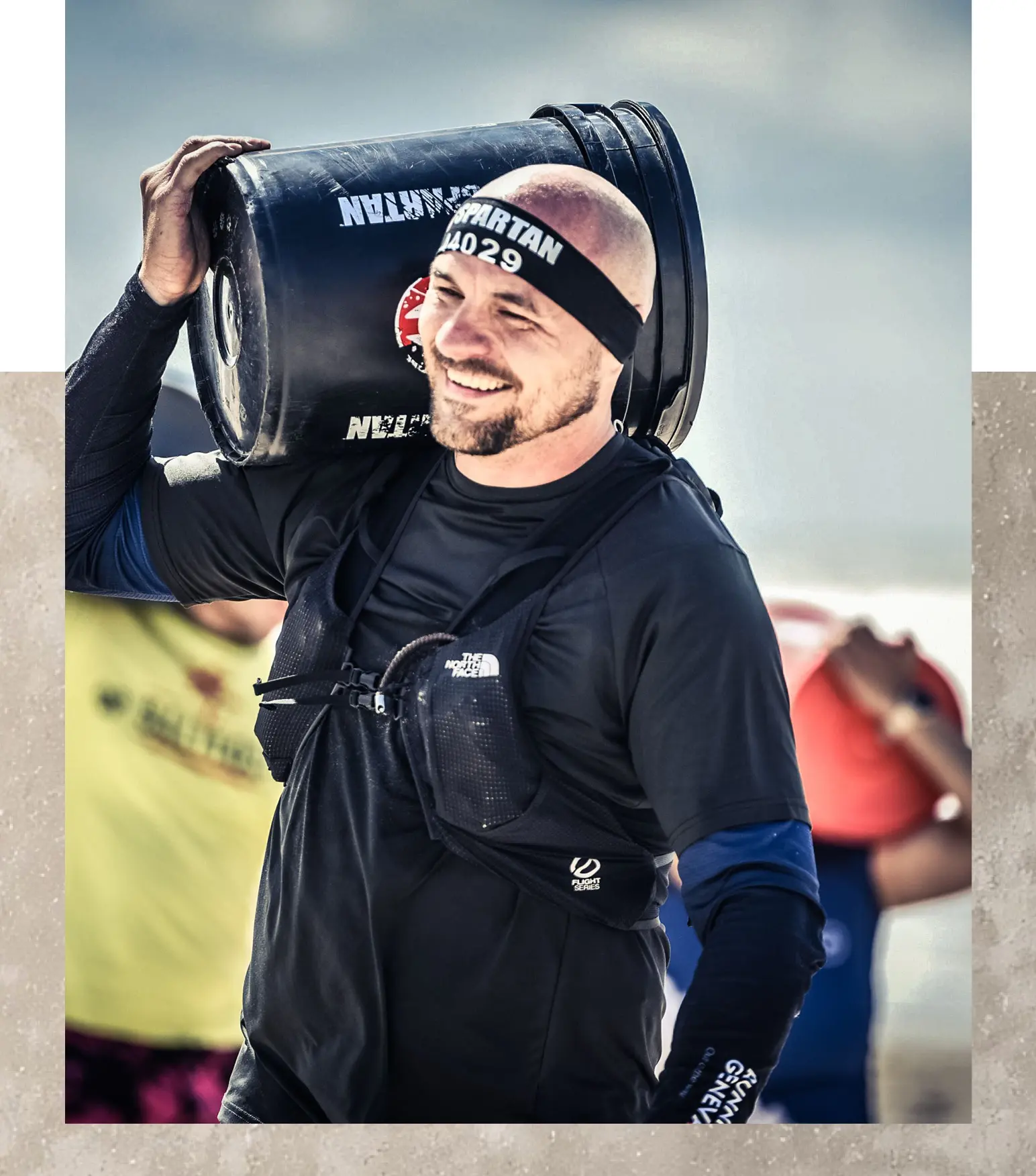
PETR BAXANT
Posturologist C.I.E.S., Psychotherapist, and Psychosomatic Therapist
Specialised in chronic pain, chronic and post-traumatic stress, anxiety, trauma, and burn-out.
My journey
Since always, my life has led me—often without me realising it—towards understanding the connection between the body, the mind, and the nervous system.
My first training was in biology and chemistry, but my real school was fire: I worked as a firefighter, then as a firefighter-pyrotechnician for a film studio in Prague.
After an accident and chronic back pain linked to my MMA practice, I discovered Spiral Stabilisation, a method that deeply transformed me.
Under the guidance of Dr Smíšek and his team, I learned not only how to heal myself, but also how to share this therapeutic approach focused on neuromuscular coordination, movement regeneration, and spinal decompression.
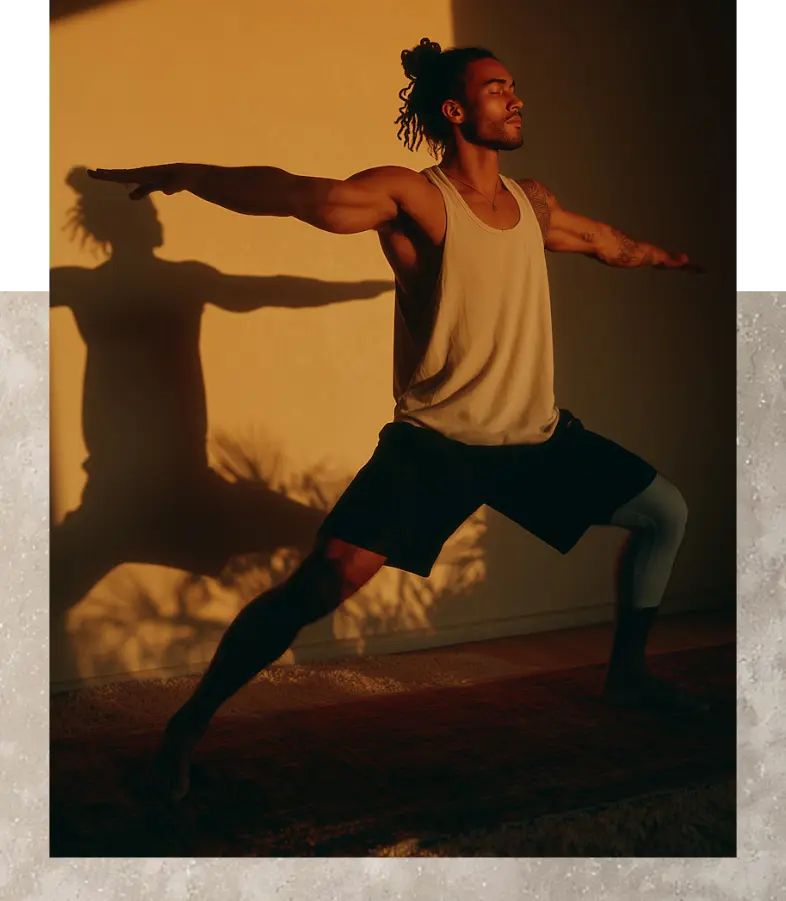
FROM EMERGENCY MEDICINE TO POSTURAL THERAPY
My journey then took me to Germany, where I trained in emergency medicine and worked as a rescue firefighter in Hamburg.
Those years of field intervention affected me deeply: I saw people in a state of shock, disconnected from their physical sensations while their life was hanging by a thread.
That is when I understood the power of the subconscious — that force that protects us from trauma by separating us from ourselves and creating an inner emptiness.
These experiences led me to observe people differently: to understand how the autonomic nervous system reacts to stress and danger, how it can freeze us, cut us off from our emotions, or give us the strength to survive.
What I had seen in the field — people speaking calmly, sometimes too calmly, when they were no longer really present, or others completely cut off from their inner world but still physically there — matched exactly what neurophysiology now describes as the activation of the dorsal vagus nerve or the reflex of paralysing fear.
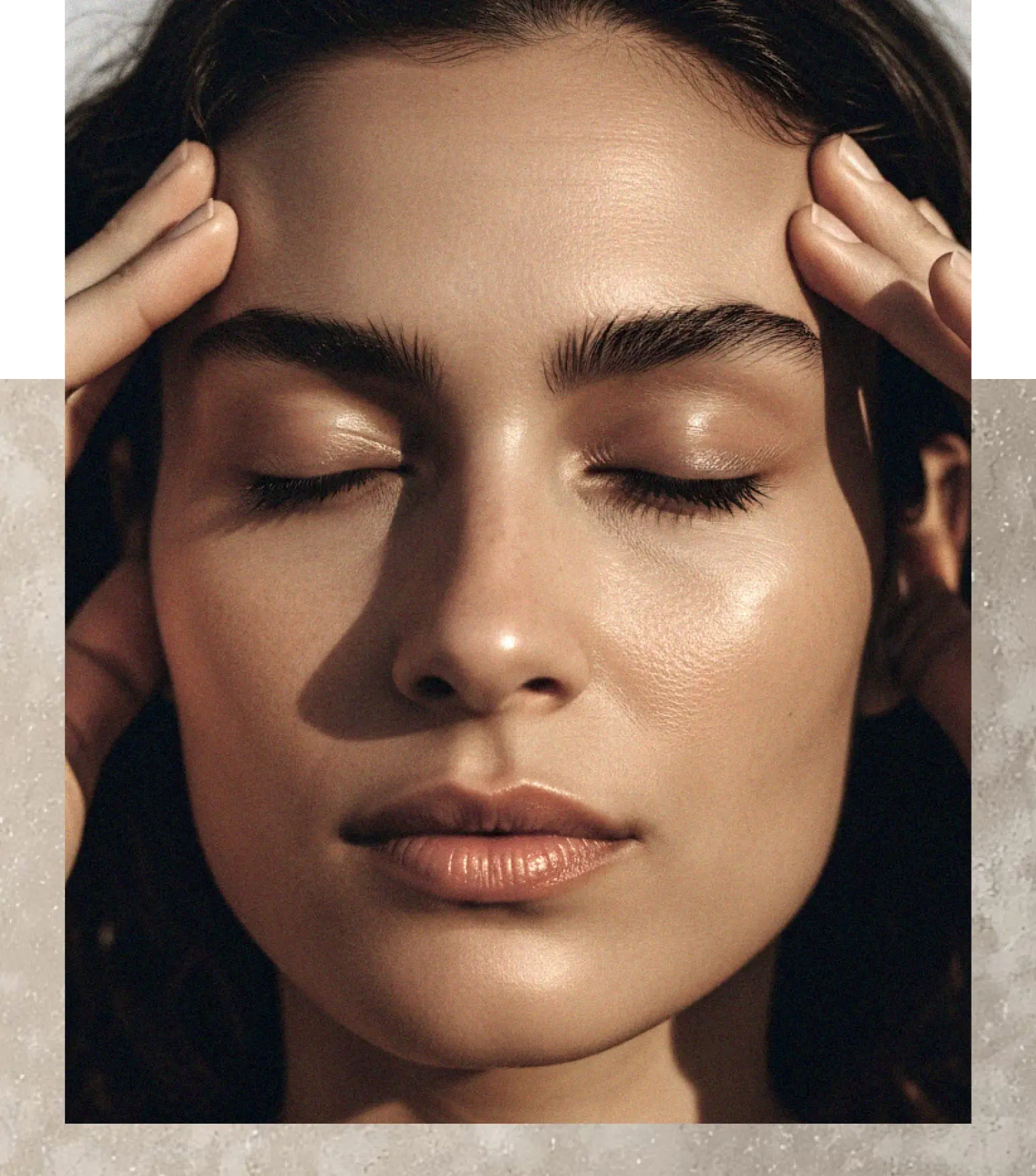
LISTENING TO THE BODY AND THE PSYCHE
These observations guided me towards a more precise approach to pain and trauma:
knowing how to recognise when they come from a mechanical imbalance, and when they are rooted in emotional memory or an automatic reaction of the nervous system.
In searching for the real causes, I continued training in posturology, EFT (Emotional Freedom Technique), and maieusthesia — three complementary approaches that help regulate the nervous system, integrate survival reflexes, and reintegrate frozen emotions.
Today, my work is to support people suffering from chronic pain, trauma, anxiety, chronic stress, or burn-out, by helping them restore a sense of inner safety.
When the nervous system finds stability again, the body can relax, breathing can open, and mental clarity can return.
Therapy, for me, is a constant dialogue between the body, the nervous system, the unconscious, and consciousness.
By working with precision, gentleness, and respect for the inner rhythm, it becomes possible not only to soothe but also to reconcile the psychosomatic dimension — so that movement, breathing, and presence become sources of freedom again.
MY CURRENT APPROACH
I support people suffering from chronic pain, post-traumatic stress, trauma, anxiety, or burn-out.
My work is based on three pillars:
- Regulating the autonomic nervous system: calming survival responses (fight, flight, freeze).
- Release of protective bodily patterns: restoring mobility, breathing, and postural balance.
- Psychosomatic reconciliation: transforming pain into information, not into fate.
Each session becomes an exploration of the living body: understanding how it organised itself to survive, and teaching it how to live again.
My vision of healing
Therapy, for me, is not mechanical repair.
It is a process of listening, precision, and respect for the inner rhythm.
When the nervous system feels safe again, breathing frees up, tensions ease, and movement becomes a form of freedom once more.
TRAINING AND CERTIFICATIONS
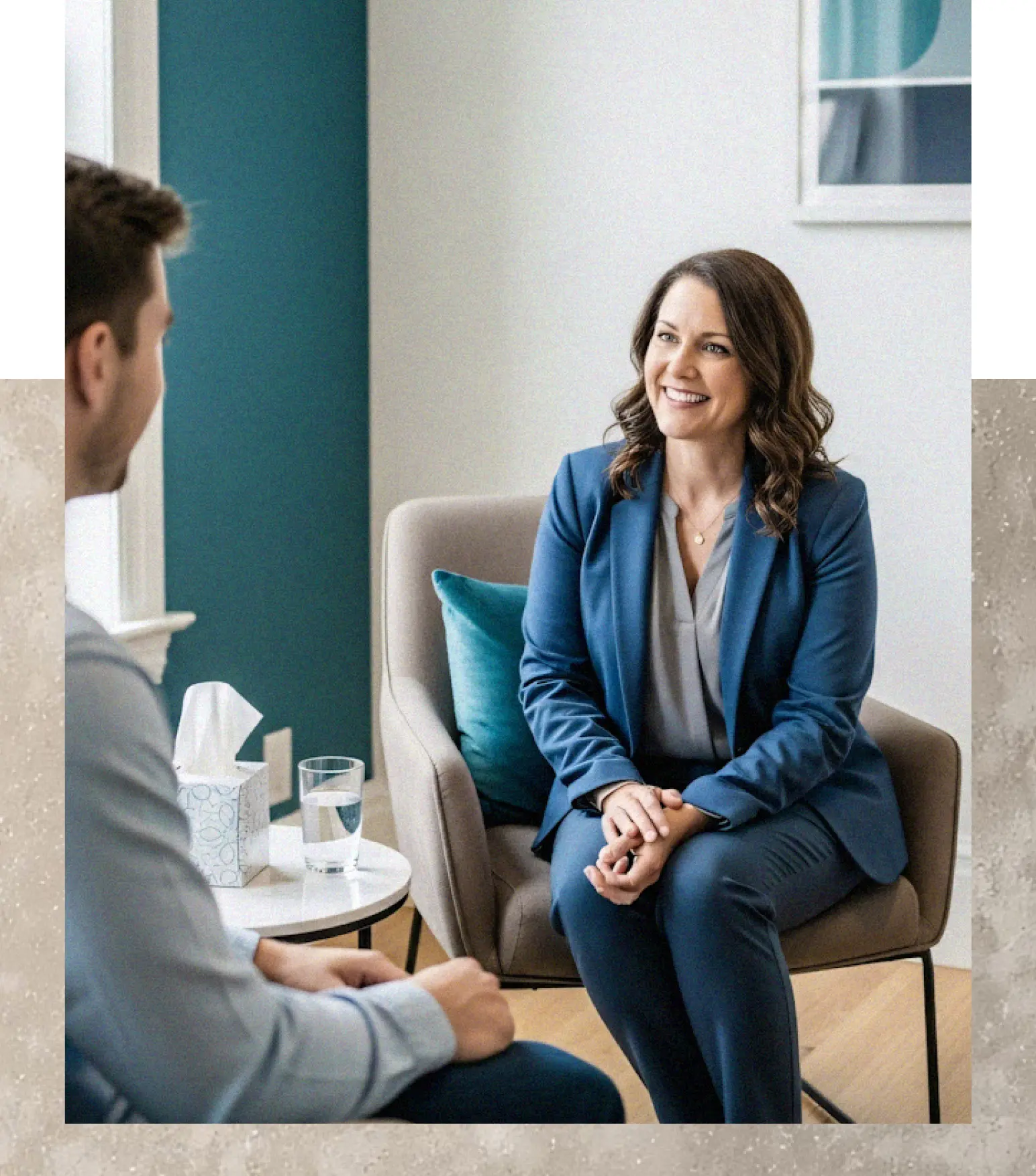
2019 – TCMA – Complementary Therapy Alternative Medicine
- 1st academic cycle: Anatomy, Physiology, Pathology
- Location: Geneva, Switzerland
2020 – Spiral Stabilisation SPS-M, Dr Ricard Smisek
- Physiotherapy training
- Specialty: Spiral Stabilisation
- Location: Prague, Czech Republic
2022 – International College of Postural Studies (C.I.E.S.)
- Specialty: Global Postural Reprogramming
- Degree: Posturologist C.I.E.S.
- Location: Biel, Switzerland
2022 – Oxygen Advantage
- Degree: Advanced Instructor
2022 – International College of Postural Studies (C.I.E.S.)
- Specialty: Emotional stress deprogramming
- Location: Biel, Switzerland
2024 – Psycho-neurological and emotional approaches
- MNRI – Dr Svetlana Masgutova
- RMT – Dr Harald Blomberg
- Polyvagal Theory – Dr Stephen Porges
- Child psychology and development – Dr Gordon Neufeld
POSTUROLOGY
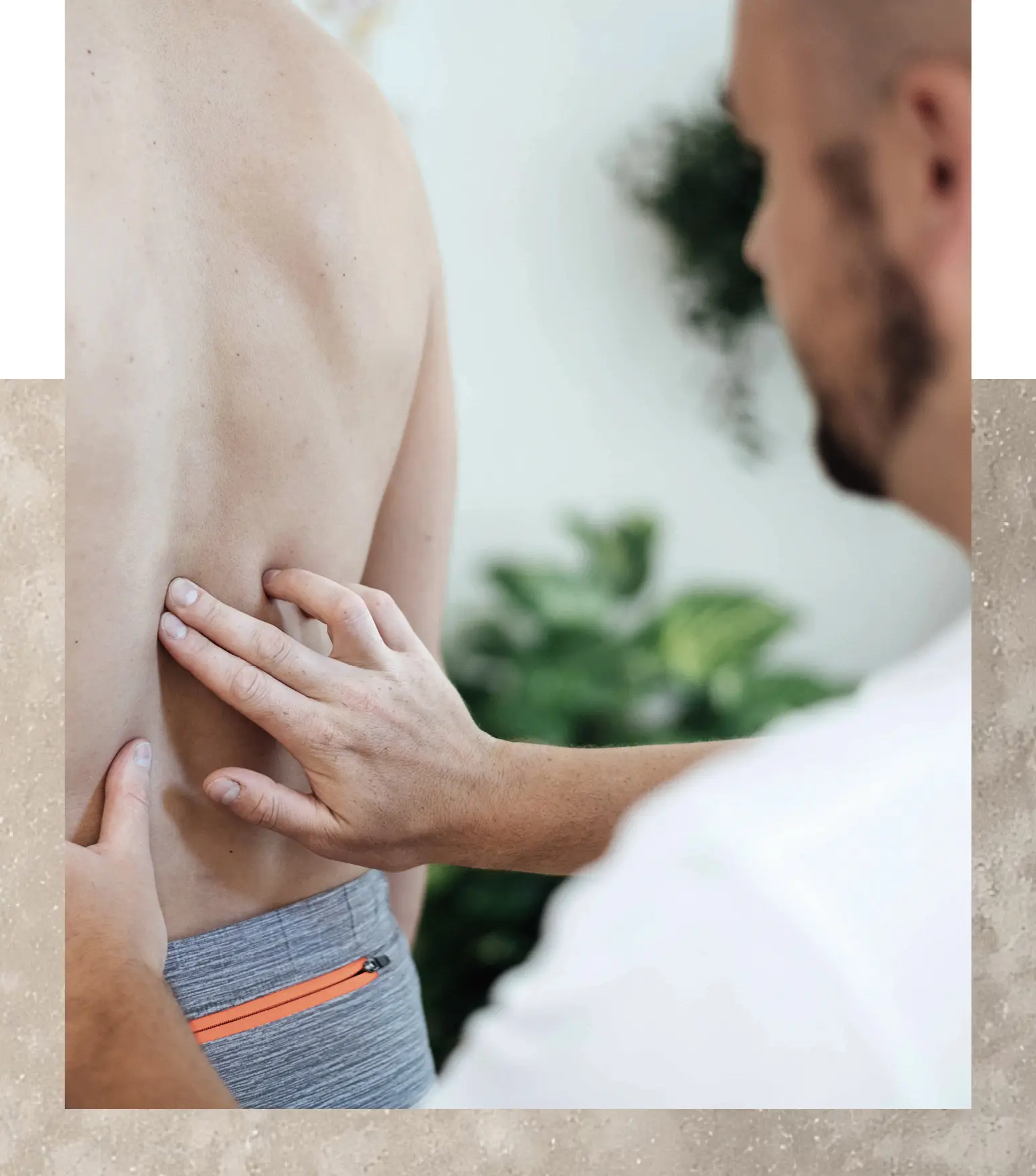
Posturology is a discipline that studies and treats posture disorders. It analyses how sensory information (from the eyes, feet, ears, skin, and joints) influences posture and balance. Its goal is to understand the connection between the nervous system and postural stability to prevent pain, muscle imbalances and chronic disorders of the musculoskeletal system.
1) Global analysis of posture and the nervous system
With a complete assessment, I detect the imbalances that maintain pain.
2) Integration of primitive reflexes
When primitive reflexes are not properly integrated, the body creates compensations that lead to fatigue, frustration, and persistent pain.
These often develop into compensatory postural imbalance.
3) Spiral stabilisation exercises
A regeneration technique for the musculoskeletal system that helps correct postural imbalances.
Celles-ci évoluent en général vers un déséquilibre postural compensatoire.
3) Exercice de stabilisation spirale :
Technique de régénération du système musculo-squelettiques permettant de corriger les déséquilibre posturaux.
BODY-PSYCHOTHERAPY
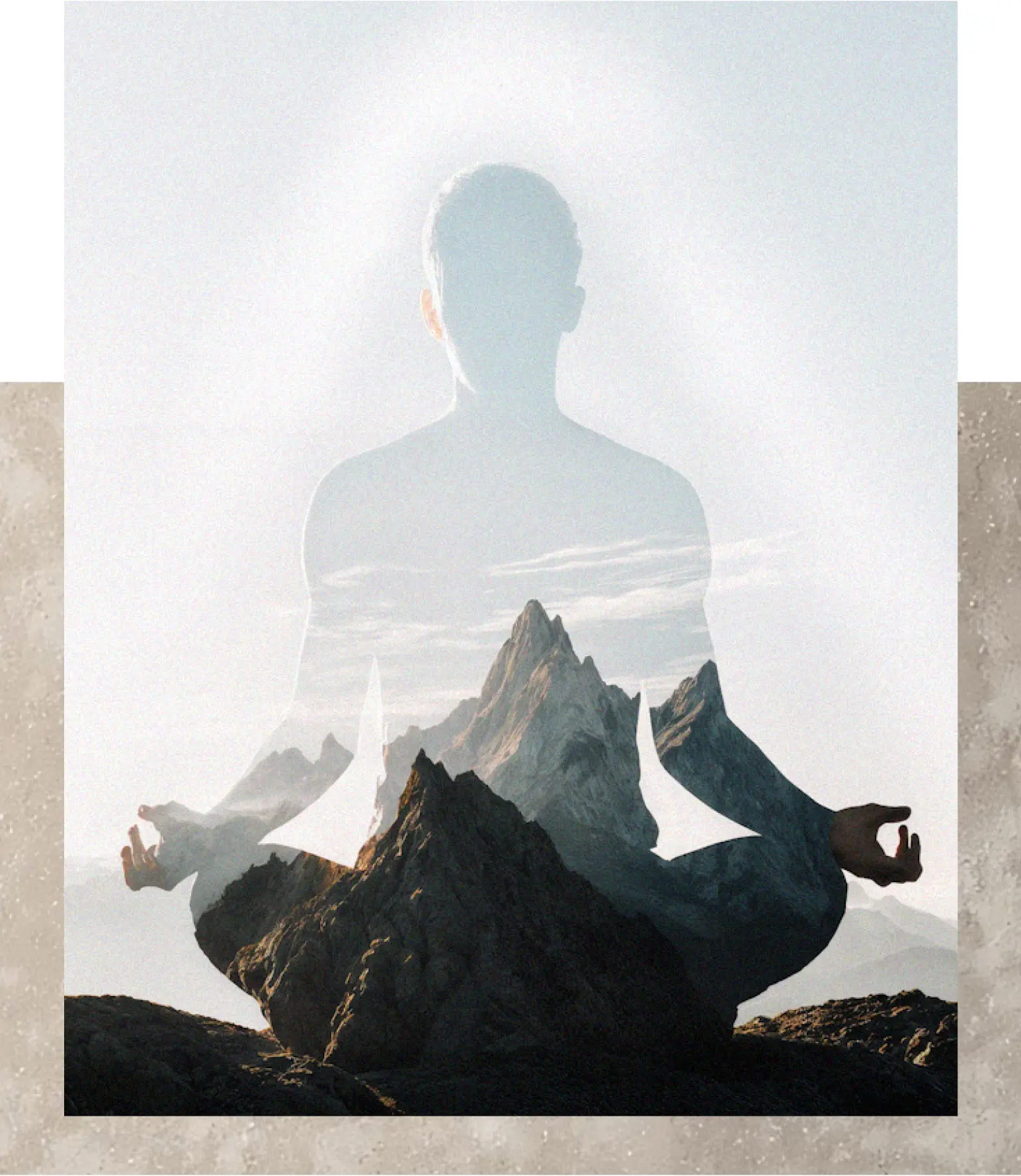
Free yourself from past pain and regain serenity through EFT and Maieusthesia.
This method is based on a deep understanding of the interactions between the body, the nervous system, and emotions. It combines principles from posturology, EFT, maieusthesia, as well as current knowledge in neuroscience, biology, and psychology.
The autonomic nervous system plays a key role in managing survival mechanisms, but it can become dysregulated after trauma or prolonged stress. This dysregulation often appears as emotional flattening — a lack or emptiness of joy and other positive emotions — hypersensitivity to noise or light, and increased difficulty in social interactions. It may also involve addictive behaviours (alcohol, substances, but also sport, work, social media or isolation).
This imbalance often creates a state of chronic stress, where the person feels constantly tense and unable to let go. As a result, even small everyday situations can trigger intense and disproportionate emotional reactions such as anger, sadness, withdrawal, or anxiety.
These reactions reflect a disturbance in neurophysiological balance, affecting emotional regulation and the body’s ability to adapt to internal and external stimuli.
The aim of the approach is to restore neurophysiological balance by working on the body (through posturology and primitive reflexes), conscious emotional integration (through EFT and maieusthesia), and regulation of the autonomic nervous system.
This method supports the release of buried emotions, neurobiological reorganisation, and better emotional regulation. The process leads to long-lasting relief, greater resilience to stress, and a restored psychosomatic balance essential for mental health.
POSTUROLOGY
Postural analysis to relieve pain and restore balance.
BODY-PSYCHOTHERAPY
Supports body and mind for well-being and overall balance.